
Do you remember the last time an advertisement made you think, “Wow! That is an interesting idea!”? It is likely that idea was a result of Artificial Intelligence. AI and Deepfakes in advertising is undeniably on the rise. It is a transformative way to help humans create compelling content. Nevertheless, there are significant ethical concerns in AI marketing.
The Good
Across the advertising industry, there have been AI powered ad campaigns that were thought-provoking in how we can use the technology in a healthy manner. For example, Heinz created an advertisement that was playful and interesting in 2021, utilising AI. The brand asked AI to create artwork that represented Heinz ketchup. This is an example of how to use technology as a strategy. Customers participated and the goal of the campaign was to see how AI views Heinz, not manipulate or double cross customers.
It is important to understand that AI has revolutionary potential to add value. For example, The Beatles documentary presented a case study of how the technology is meant to enhance the quality of work by restoring the quality of old footage.
Artificial Intelligence opens up a plethora of opportunities for the human mind. It enables the advertising industry with a new avenue of ideas and a new age tool for strategy.
Creating compelling and transformative advertising campaigns does need to compromise on one’s ethical responsibility to their audience and consumer base. There is an organic way to use AI in advertising. The techniques below can be used to reduce manpower and provide more space for creativity.
- Audience Segmentation: AI can be used to gain a better understanding of a brands audience and which portion of society they would like to represent and cater to
- Enhance and facilitate Ad creativity: Utilising AI in a healthy manner can help brands and their employees worry less about the manual part of their job like coding, editing, etc. and focus more on the creative process.
- Optimizing expenditure in terms of advertising: There are ethical concerns in AI marketing, AI generated Ads can be used to save costs for a brand. Artificial Intelligence has the capability to suggest which ads can generate revenue. This will help the brand spend on other factors as well.
Also Read: How Ryanair Became the King of TikTok Viral Marketing?
The Bad
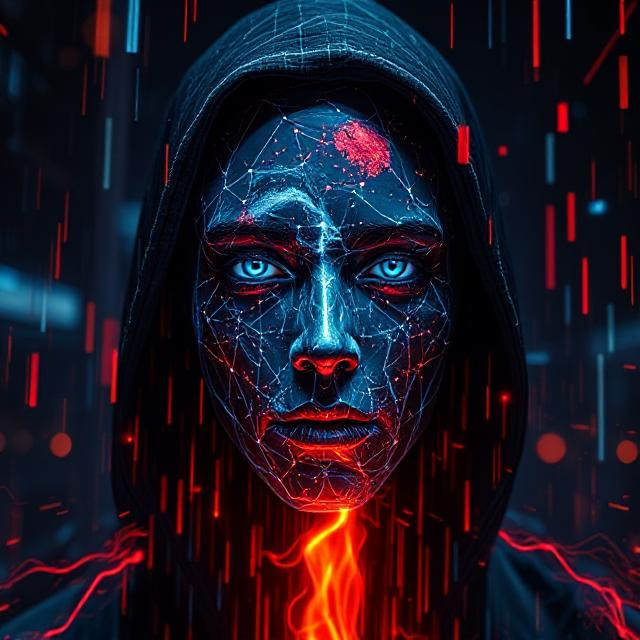
AI brings with it a new curveball to deal with, as Deepfake technology in marketing has become a cause for concern. While ground-breaking technology like this is an asset to the world of advertising, it also requires extreme caution. Moreover, AI generated Ads as well as Deepfake advertising campaigns must be monitored carefully.
However, this is not the case across the board. AI in advertising comes with another significant risk, Deepfake technology risks. There are multiple Deepfake marketing examples. Take the case of Tom Cruise ads in 2021. It was claimed to be a social experiment, but multiple fans believed this ad to be real. Brands went on to use deepfakes to advertise their products without the consent of such celebrities. Thus, Deepfake technology in marketing is a risky practice.
Experts recommend keeping an eye on the rapidly developing technology as this is just the beginning of what AI can achieve. In just a few years from now, consumers may struggle to identify what is real, and what is generated by AI.
AI in digital marketing becomes something to fear when there are attempts to steal an identity, or reject the concept of consent.
AI generated influencer content has also been on the rise. Miquela, an AI influencer that is notably drawing attention on the internet, is an ideal example. AI influencers are gaining traction across all social media platforms. However, the content that they produce can raise questions of uncertainty and genuity.
The Ugly
Deepfakes have exposed the industry to a darker side of AI. Consent can be waived off and the masses can be manipulated if brands do not heed warnings. Public outrage, mass confusion and overall distress can be caused by the widespread usage of deepfakes. Thus it is important to understand the balance that has to come with AI and human ethics.
Deepfakes in brand storytelling pose a significant threat to the integrity of a brand. It becomes difficult for consumers to trust the brands that utilise Deepfake technology in marketing. Consumers become prey to confusion as they are left to struggle between real and fake.
Fake ads using AI are extremely misleading and pose a threat to public interest. AI-generated videos of Elon Musk were used in ads. He was seen falsely endorsing cryptocurrency investment schemes. These ads went viral across social media, pushing users into thinking Musk endorsed the scam.
The Bottom Line
In conclusion, AI can be used strategically to help brands achieve their goals. Artificial Intelligence is meant to act as a tool that aids human creation, not replace it. Now that we have weighed the pros and cons of the rapidly developing technology, it can be easier to utilise it. However, it must be exercised with caution because too much of a good thing can always be dangerous!
Latest
-
AI INSIGHTSAI & Deepfakes in Advertising: The Good, The Bad & The Ugly
by Yuvika Arora
by Yuvika Arora
Do you remember the last time an advertisement made you think, “Wow! That is an interesting idea!”? It is likely that idea was a result of Artificial Intelligence. AI in …
-
CASE STUDIESHow Ryanair Became the King of TikTok Viral Marketing?
by Yuvika Arora
by Yuvika Arora
From Budget Airline to Social Media Superstar Regarding viral marketing, airlines aren’t usually the first brands that come to mind. However, Ryanair has defied the odds to become a TikTok …

1 comment
[…] […]